Friday, 5 January 2018
Euroka Trip 3-5 January 2018
Tuesday, 12 January 2016
Euroka January 2016
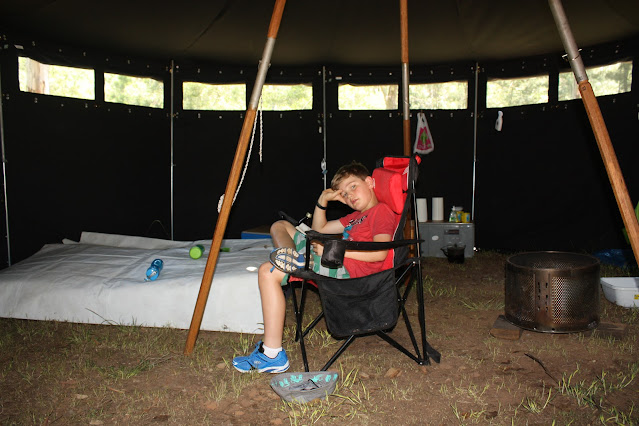
We set up with friends at the Daruk site. We are having a good time, exploring the park, swimming at Jellybean pool. Then it starts raining. As the rain continues day by day, more and more campers from neighbouring campsites are leaving until we are one of the few ones left in the national park. We are quite happy inside the yurt, keeping the fire burning for warmth and comfort.
On the third
day of rain, a friendly ranger comes to our tent site and enquires about our
plans and whether we have intentions to stay or leave. We reply that we are quite
comfortable and have no intentions of leaving earlier than planned.
An hour later he returns and tells us that he might have to order us the leave as the water in the causeway at the park entrance is rising and the causeway might become impassable. He tells us that there is no rush but that we should get ready. Fifteen minutes later, the ranger returns with the message “You have leave right now!”. Obviously, there is no time to pack, let alone to take down the yurt, which is completely wet on the outside anyway. So we grab the crate with the food and the esky with the perishable food, load it into the car. Before leaving, I make sure that I close the yurt carefully and do one last check of all guy ropes. The ranger’s vehicle leads our small convoy of three or four cars of the last remaining campers towards the park entrance. At the causeway, a truck of the NPWS with a vehicle trailer awaits us. The rangers tell us that we have the choice of having our vehicles ferried across the causeway on the trailer or leave them inside the part. The indicators show that the water has risen to 0.6 metres – too much for a non-off-road vehicles to cross. I decide to leave my car parked inside the park and our friends drive their 4WD across. On the other side we all hop into their car and they drop us home.
Wednesday, 1 October 2014
QR code from Kyrgyzstan - part 2
During another session on
another day I print the second half of the double side wall in exactly the same
way as the first half. Then I have an idea about the edge of the stripe: I remember
watching my mother many years ago applying gutta-percha - which must be of similar
viscosity to my textile paint - to silk scarfs in preparation for painting on
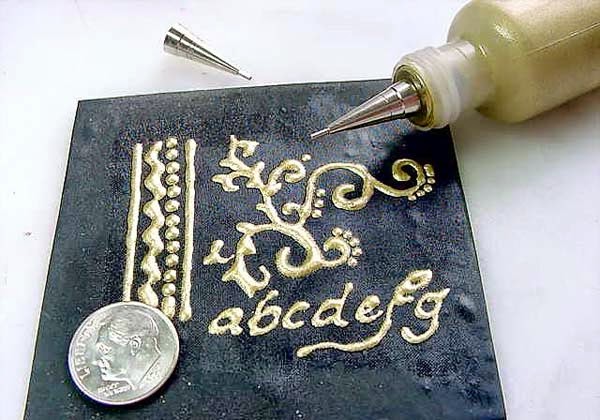
them. She used a small, squeezable plastic bottle with a small, detachable metal
nozzle. I try the local art and craft shop and to my great surprise they have
one of these. It works like a treat. Using a small syringe, I fill the plastic
bottle with textile paint, attach the nozzle and can - by squeezing the bottle -
apply the right amount of paint while guiding the nozzle along a ruler. The
result is a straight and crisp edge to the pattern's white top and bottom
stripes. I am pleased although it is quite a bit of work.A few weeks after the painting is complete, spring has arrived and I take the first opportunity to see how the pattern looks. I am quite happy with the result. The yurt no bears a visible connection to its great-grand uncles in Central Asia. Only five more side walls to go.
The only problem: there is no mobile reception at the campground, so scanning the QR code does not given an immediate result. I wonder how often this will happen…
Tuesday, 30 September 2014
Saturday, 5 July 2014
QR code from Kyrgyzstan - part 1
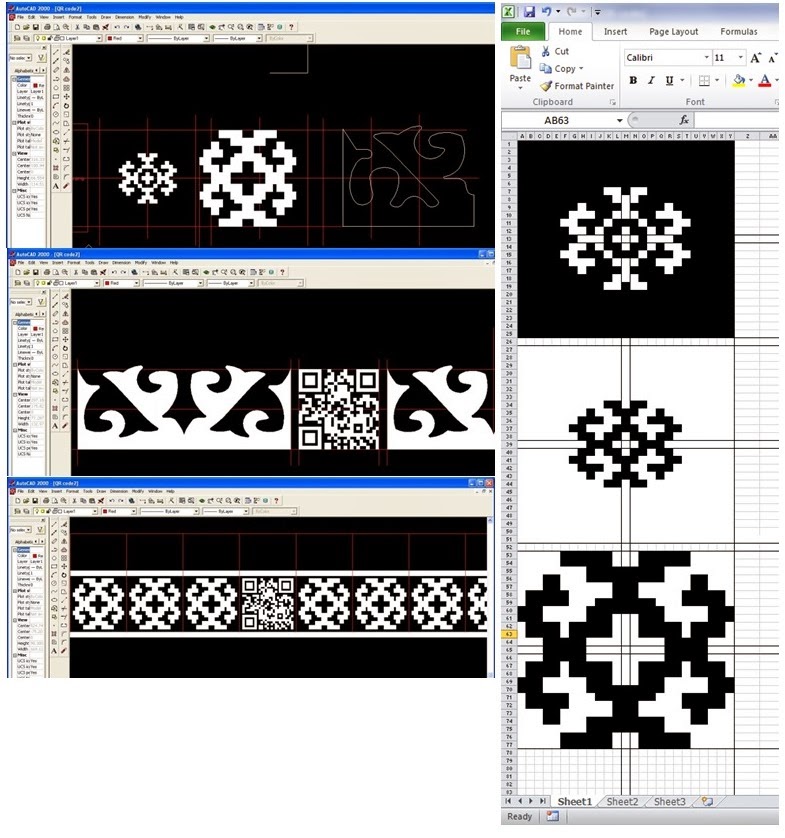
The black canvas walls are perfectly suited for decorating. Many groups in Germany decorate their yurts with their own customised patterns. We decided that a QR code - integrated in a pattern - would be both decorative and useful in drawing attention to the blog. When we started looking for suitable patterns we came across patterns that are used to decorate yurts in Kyrgyzstan. These patterns often symbolise ram's horns, tulips, soldiers, or dog's tails. Quite often, these patterns are black and white, and are composed squares. Could the Kyrgyzstanis have invented the QR code thousands of years ago?
The next challenge was to design a pattern that could be printed in white on a black background, and would contain the QR code and traditional Kyrgyz patterns. We tried many drafts until we found one that worked. I really like the very clever pattern with the tulips but the 45 degree angles and curves just didn't work with the unforgiving grid pattern of the QR code. However, this pattern made me realise the benefit of the stripes running along the top and the bottom to visually hold the patterns together.The next challenge was to find a DIY technique to print the pattern on to the canvas. We decided on screen printing using StencilPro photo emulsion-coated screens. We needed two screens: one with the QR code and one with the Kyrgyz pattern. Both were to have a stripe running along the top and the bottom to visually hold the patterns together. Making the screens involved printing the patterns onto transparent overhead film, exposing the photo emulsion in sun light and rinsing off the unfixated (unexposed) areas of the emulsion with water. We mounted the finished screens on plywood frames and chose white textile paint that could be heat-fixated by ironing. Since the craft shop didn't have any squeegees small enough we made one from am strip of plywood with old bicycle inner tube stapled to it. The first couple of test prints looked quite promising.
Sunday, 2 February 2014
Bedroom
So, I have had this trusty little tunnel tent by Hilleberg for at least
20 years which looked like the perfect candidate for connecting to the yurt.
Its advantages – besides the fact that I already have it – are that ![]() |
| first concept design |